Sperm Processing and Selection Technologies in IVF
ICSI (Intracytoplasmic Sperm Injection)
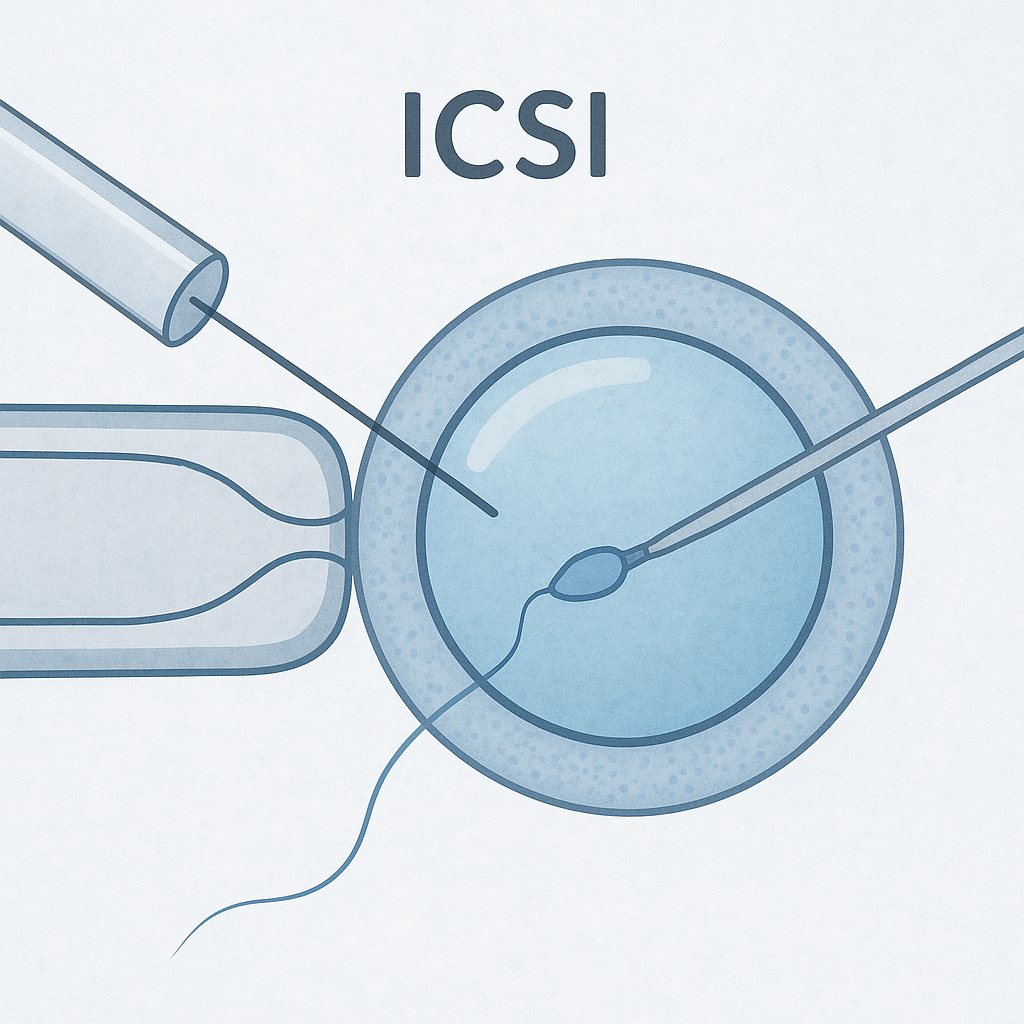
ICSI is lab technique where a single sperm is directly injected into the egg. It overcomes male infertility issues like low sperm count, poor motility, or abnormal morphology. Traditionally, the embryologist selects a motile, morphologically normal-looking sperm under a microscope (basic visual assessment). ICSI is fertilization method and as selection method it can be combined with either ZyMōt or Density Gradient Centrifugation.
PICSI (Physiological ICSI)
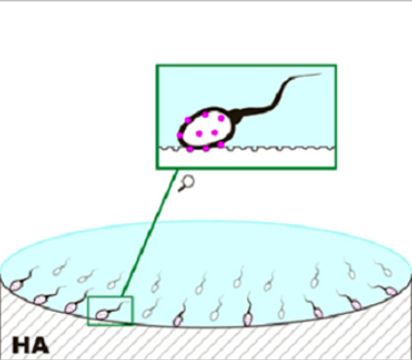
PICSI is an enhancement of ICSI using hyaluronic acid (HA) binding to select sperm. The way it works is mature sperm bind to hyaluronic acid, a natural component surrounding the egg. Sperm are placed on a dish coated with HA. Those that bind are considered more mature and genetically competent.
Benefits include lower DNA fragmentation and Higher pregnancy rates and potentially fewer miscarriages (especially in recurrent implantation failure).
ZyMōt (Microfluidic Sperm Sorting)
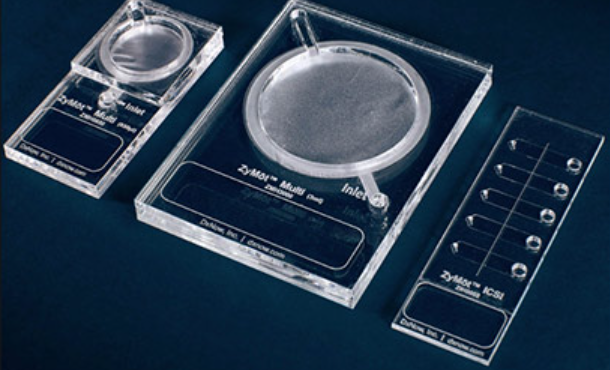
ZyMōt is A device that mimics natural sperm selection like in the female reproductive tract.
Sperm swim through a microfluidic channel. Only the healthiest, most motile sperm reach the collection chamber.
This method avoids centrifugation (which can damage DNA).Benefits include Sperm with lower DNA fragmentation, Non-invasive and easy to use. This method is helpful in cases of high DNA fragmentation or unexplained infertility.
Density Gradient Centrifugation
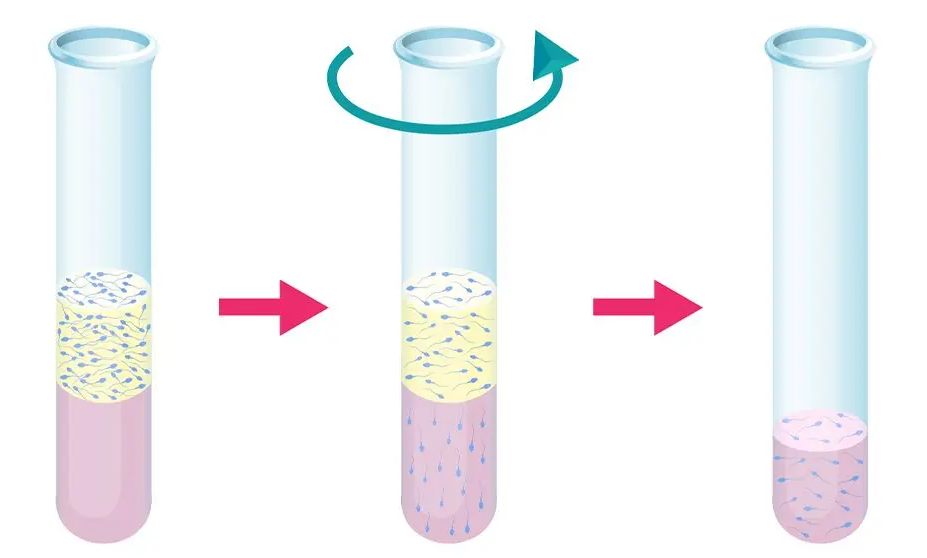
This is a common lab technique to separate sperm based on density.
Semen is layered on density gradient media (e.g., 40% and 80% layers). It’s centrifuged; healthy, dense, motile sperm sink to the bottom. Centrifugation can increase reactive oxygen species (ROS) and damage sperm DNA. This method doesn’t fully eliminate sperm with DNA fragmentation.